
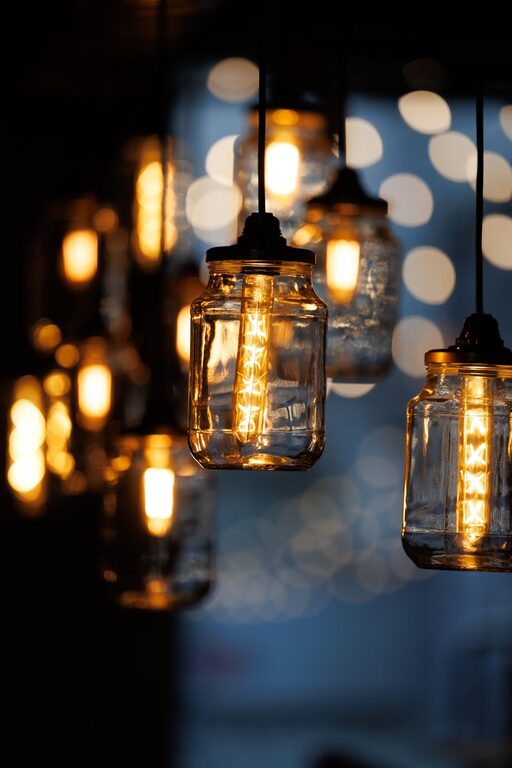
When it comes to making your home feel warm and inviting, lighting plays a crucial role. The right lighting can transform a space, making it comfortable, functional, and aesthetically pleasing. However, choosing the perfect lighting can be overwhelming with so many options available—from brightness levels to bulb types to fixture styles. This guide offers helpful tips on selecting comfortable home lighting that suits your needs and complements your décor.
Understanding the Importance of Comfortable Lighting
Comfortable lighting is more than just illumination; it influences mood, productivity, and overall well-being. Harsh or dim lighting can cause eye strain, headaches, or make rooms feel unwelcoming. On the other hand, well-chosen lighting enhances relaxation, focus, and ambiance.
Before diving into specific tips, consider how you use each room. The lighting needs for a kitchen or home office differ from those for a bedroom or living room.
Tips for Choosing Comfortable Home Lighting
1. Consider the Purpose of Each Room
Start by identifying the primary activities you do in each space:
– Living Rooms and Bedrooms: Aim for warm, soft lighting that promotes relaxation. Avoid overly bright or glaring lights.
– Kitchens and Home Offices: Opt for brighter, cooler lighting that helps you see clearly while cooking, reading, or working.
– Bathrooms: Combine bright task lighting around mirrors with softer ambient lighting for comfort.
2. Choose the Right Color Temperature
Color temperature is measured in Kelvins (K) and affects the feel of the light:
– Warm White (2700K to 3000K): Cozy, inviting; ideal for living rooms, bedrooms, and dining areas.
– Neutral White (3500K to 4100K): Balanced and natural; suitable for kitchens, bathrooms, and offices.
– Cool White (5000K and above): Bright and energetic; not typically recommended for relaxing spaces but good for detailed tasks.
Choosing bulbs with adjustable color temperature can offer versatility.
3. Use Layered Lighting Strategies
Layered lighting enhances comfort and functionality. Combine three types of lighting:
– Ambient Lighting: Overall illumination using ceiling lights, chandeliers, or wall-mounted fixtures.
– Task Lighting: Focused lighting for specific activities like reading lamps, under-cabinet kitchen lights, or desk lamps.
– Accent Lighting: Decorative lighting to highlight artwork, plants, or architectural details with spotlights or LED strips.
This approach allows you to control the mood and brightness depending on your needs.
4. Prioritize Adjustable Lighting Controls
Dimmer switches and smart lighting systems give you control over brightness and color. This flexibility helps reduce eye strain and create the right atmosphere throughout the day.
5. Select Energy-Efficient Bulbs
LED bulbs are popular for being energy efficient, long-lasting, and available in various color temperatures. They also produce less heat, contributing to a comfortable environment.
6. Pay Attention to Fixture Placement
The location and height of fixtures impact light distribution:
– Avoid placing lights directly above eye level to reduce glare.
– Position task lights near work or reading areas.
– Use wall sconces or floor lamps to add soft illumination without harsh shadows.
7. Consider Natural Light and Window Treatments
Maximize natural light during the day for comfort and energy savings. Use sheer curtains or blinds that allow light in while maintaining privacy. Natural light also helps regulate sleep patterns and mood.
8. Match Lighting Style to Your Décor
Stylish fixtures can complement your home’s design while providing comfortable lighting. Whether you prefer modern, rustic, or traditional décor, choose lighting that blends well without overpowering the space.
Common Mistakes to Avoid
– Relying on a Single Light Source: This often results in uneven lighting and shadows.
– Ignoring Glare: Harsh light facing your eyes can cause discomfort.
– Choosing Too Bright or Too Dim Bulbs: Bright light in relaxing areas can be unsettling; dim light in workspaces can strain eyes.
– Ignoring Bulb Lifespan and Cost: Sometimes cheaper bulbs may need frequent replacement.
Final Thoughts
Choosing comfortable home lighting involves thoughtful consideration of your lifestyle, room function, and design preferences. By focusing on color temperature, layered lighting, fixture placement, and adjustable controls, you can create inviting spaces that feel both relaxing and practical. Don’t forget to incorporate natural light when possible, and invest in energy-efficient bulbs to keep your home bright and eco-friendly.
With these tips, you’re well on your way to designing a home lighting scheme that enhances your comfort and enjoyment every day.