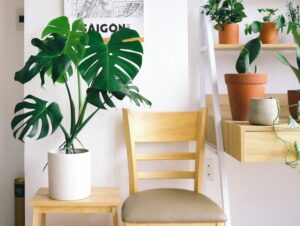

Bringing houseplants into your home not only adds a touch of natural beauty but also improves air quality and creates a calming environment. However, keeping plants healthy can sometimes be a challenge, especially for beginners. Understanding the needs of your plants and providing the right care will ensure they thrive for years to come. Here are some friendly and practical tips to help you maintain happy, healthy houseplants.
Understanding Your Plant’s Needs
Every plant species has unique requirements. Before bringing a new plant home, take some time to learn about its preferred light, water, and soil conditions. This knowledge is the foundation of good plant care.
Light Requirements
Houseplants vary widely in their light needs. Some thrive in bright, indirect sunlight, while others prefer low-light conditions. Place sun-loving plants like succulents or fiddle leaf figs near windows with ample sunlight. Shade-tolerant plants like snake plants or pothos can do well in corners or areas with less natural light.
Tip: Rotate your plants every few weeks to promote even growth and prevent them from leaning toward the light source.
Watering Needs
Overwatering and underwatering are the most common causes of plant stress. Most houseplants prefer soil that dries out slightly between waterings. To check if your plant needs water, stick your finger about an inch into the soil. If it feels dry, it’s time to water.
Tip: Use a pot with drainage holes and avoid letting your plant sit in standing water to prevent root rot.
Soil and Fertilization
Healthy soil provides essential nutrients and proper drainage for your plants.
Choosing the Right Soil
Use a potting mix formulated for indoor plants. Some plants, like cacti or orchids, require specialized soil blends that cater to their needs. Avoid using garden soil as it can be too dense and may contain pests or diseases.
Fertilizing Your Plants
Fertilize your houseplants during their active growing season, usually spring and summer. Use a balanced, water-soluble fertilizer every 4-6 weeks. Always follow the instructions on the fertilizer package to avoid overfeeding, which can damage your plants.
Maintaining the Right Environment
Houseplants are sensitive to their environment. Factors like temperature, humidity, and air circulation play a role in their health.
Temperature
Most houseplants prefer temperatures between 65°F and 75°F (18°C to 24°C). Avoid placing plants near drafts, heaters, or air conditioners, as sudden temperature changes can stress them.
Humidity
Many tropical plants enjoy higher humidity levels. If your home is dry, especially in winter, consider using a humidifier or placing a tray filled with water and pebbles near your plants to increase moisture in the air.
Air Circulation
Good air circulation helps prevent fungal diseases and pests. Avoid overcrowding plants and provide enough space for air to flow around them.
Regular Plant Care and Maintenance
Consistent care helps your plants stay in top shape.
Cleaning Leaves
Dust can block sunlight and reduce your plant’s ability to photosynthesize. Gently wipe leaves with a damp cloth or give your plant a gentle shower to keep them clean.
Pruning and Trimming
Remove dead or yellowing leaves regularly to encourage healthy new growth. Pruning also keeps plants looking neat and prevents them from becoming leggy.
Repotting When Needed
As plants grow, their roots may outgrow the pot. Repot your plants every 1-2 years or when you notice roots growing out of drainage holes. Choose a pot that is slightly larger and refresh the soil during repotting.
Recognizing and Treating Common Issues
Being able to identify problems early can save your plant.
Pests
Common houseplant pests include spider mites, aphids, and mealybugs. Look for signs like tiny webs, sticky residue, or discolored spots. Treat infestations promptly with insecticidal soap or neem oil.
Diseases
Fungal infections often show as spots or mold on leaves. Good air circulation and proper watering help prevent these issues. Remove affected leaves and keep the plant dry.
Nutrient Deficiencies
Yellowing leaves, stunted growth, or pale color can indicate nutrient deficiencies. Adjust fertilization accordingly and ensure your plant is getting the right soil and light.
Final Thoughts
With a little attention and care, your houseplants can become a vibrant and rewarding part of your home. Remember that patience is key; plants don’t grow overnight but respond wonderfully to consistent, thoughtful care. Enjoy the process of nurturing your green companions and watching them flourish.
Happy gardening!